
First stop: Hiroshima
After a 13-hour flight to Tokyo, we continued our journey in pouring rain to Hiroshima Airport.
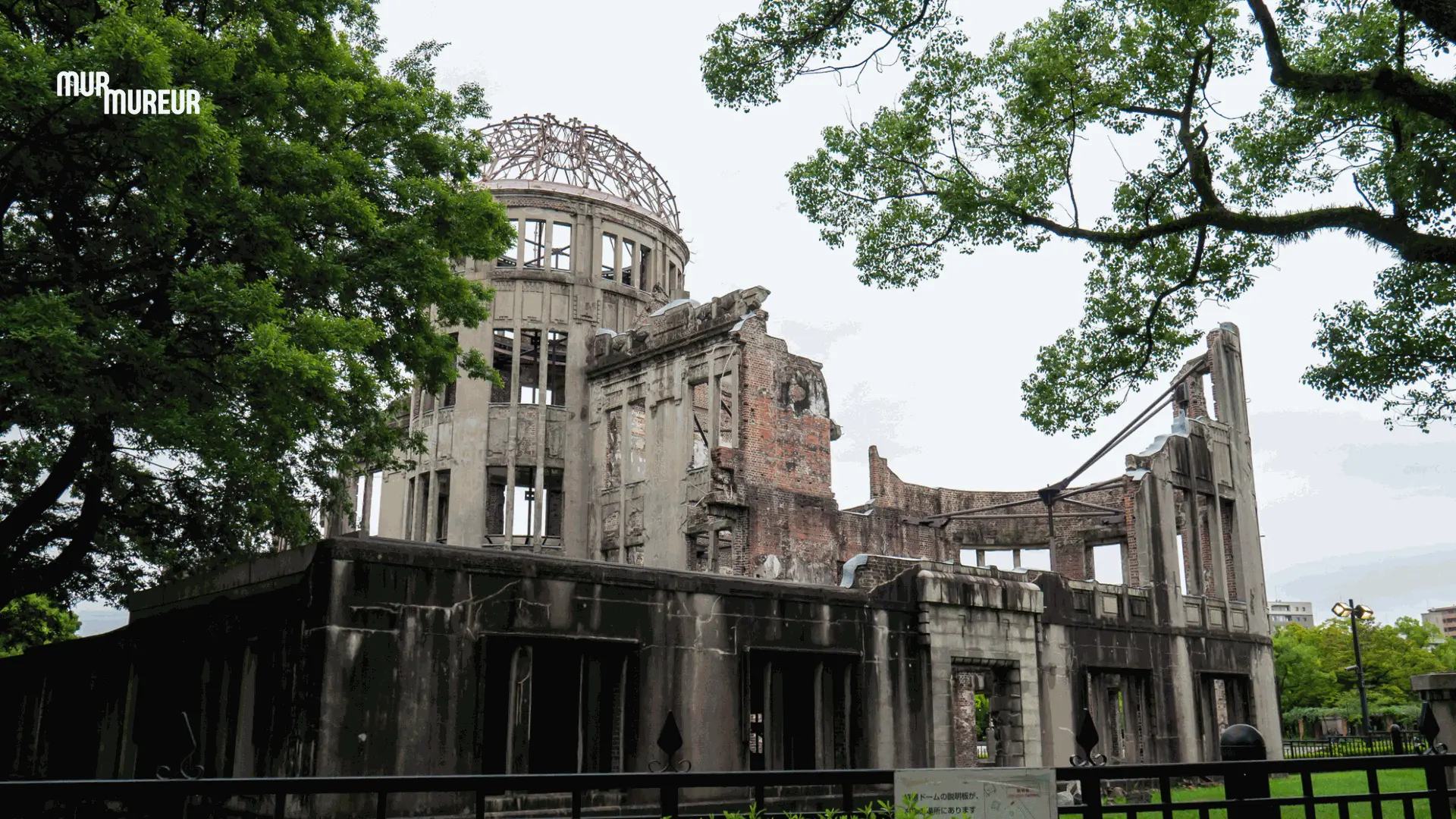
It's not just the name of a textbook: it's a place where collective memory is felt in every street, in every monument. The Genbaku Dome, frozen in time, faces the Peace Memorial Park, where thousands of colorful origami cranes fill the space.
This contrast is striking: on one side, the memory of destruction, on the other, the vibrant expression of a desire for universal peace. Hiroshima is a city I encourage you to visit, a true duty of remembrance to cultivate for the years to come.
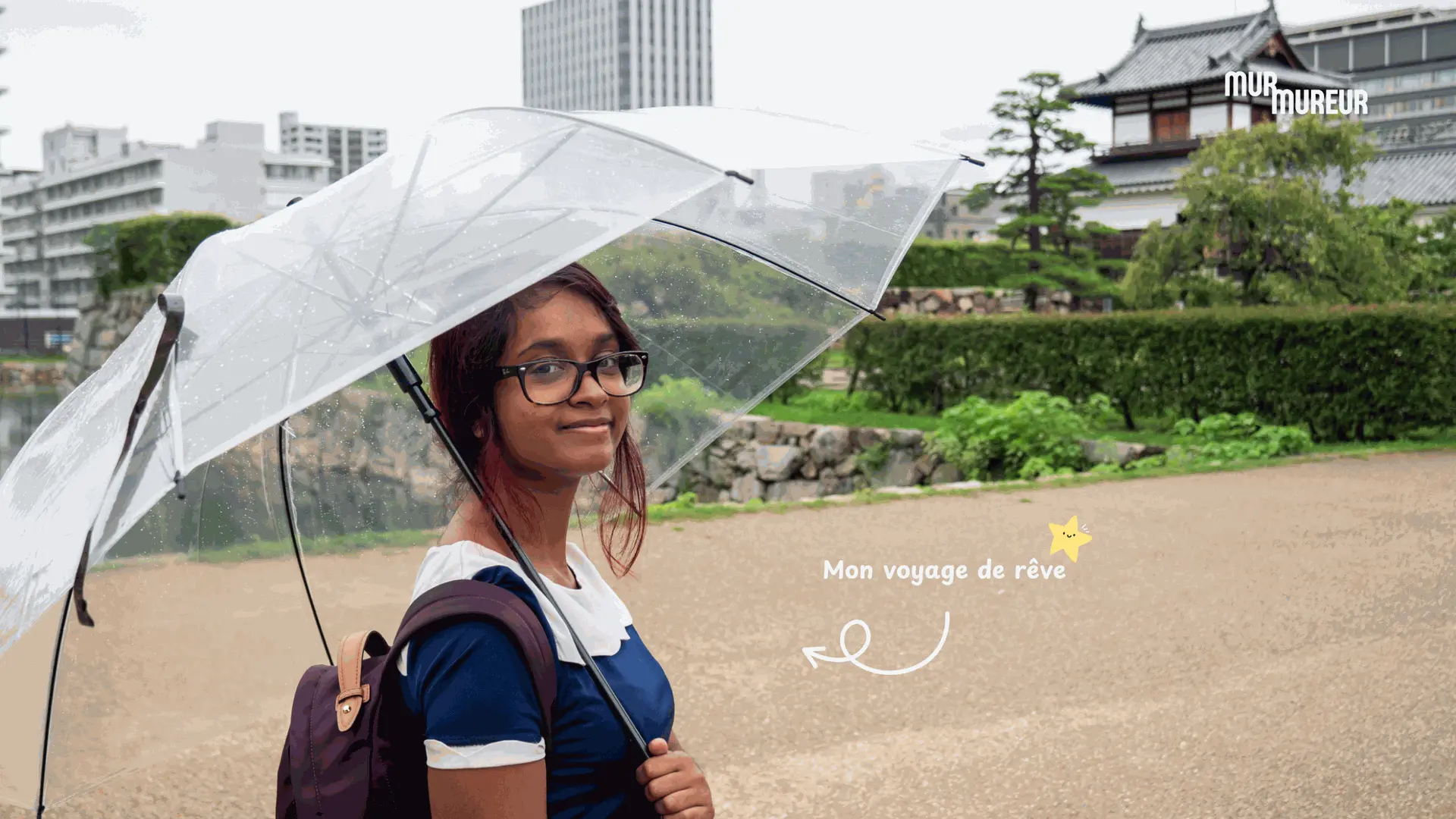
We left in September and although the weather is more pleasant than in summer, we did not escape the rain.
If you also want to save space in your luggage, don't panic: you will easily find umbrellas in supermarkets.
That day, Hiroshima had a monotonous side: a fine rain accompanied each of our visits, slowing our pace and plunging the city into an almost solemn calm.
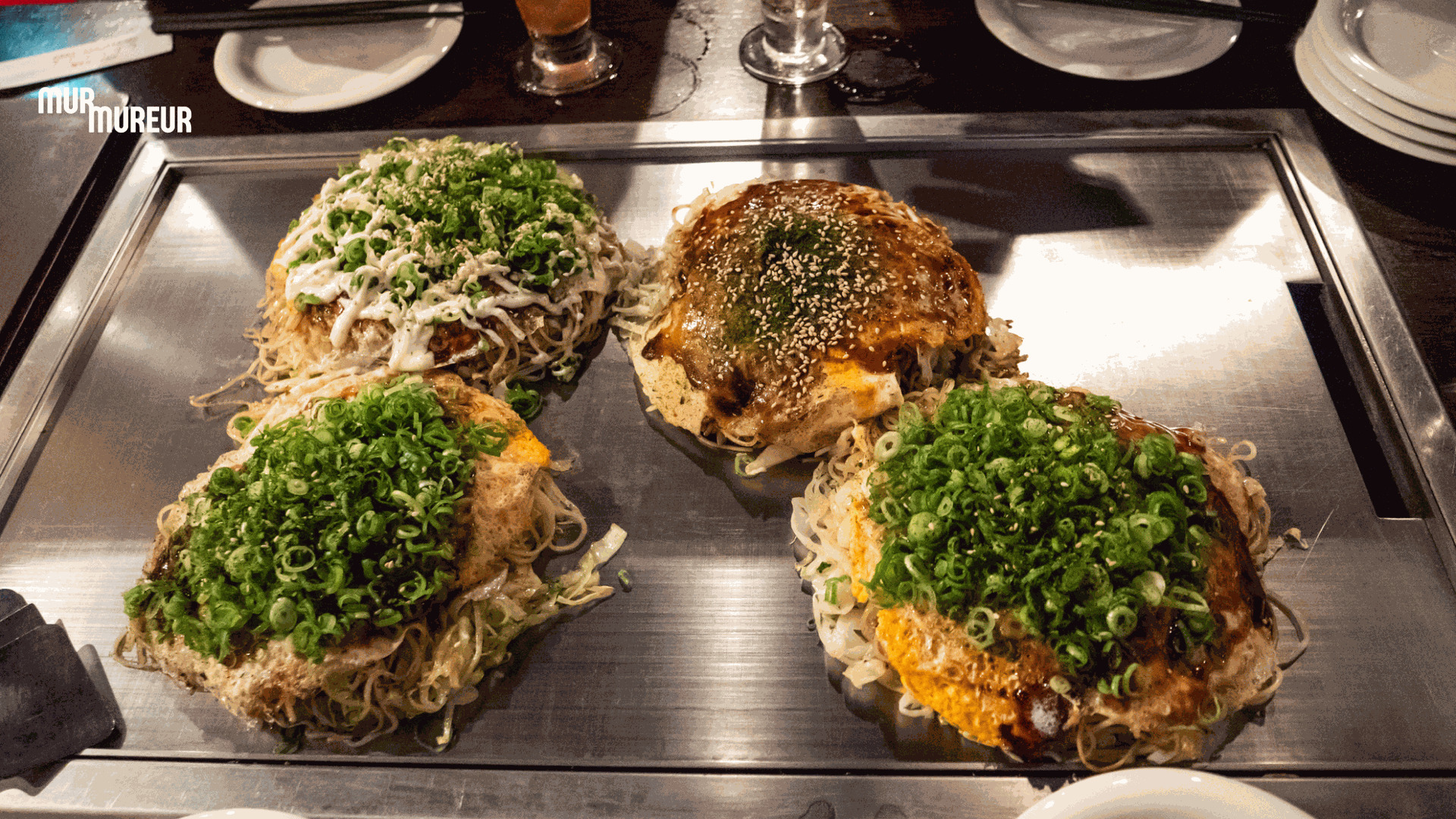
But all it took was to push open the door of a small restaurant to find a bit of warmth: here, okonomiyaki is not just a dish, it’s a symbol.
Unlike the Tokyo version, which resembles a thick omelet where the ingredients are mixed together, the Hiroshima style is stacked in successive layers: the thin batter, crunchy cabbage, stir-fried noodles, sometimes pork or seafood (#teamshrimp), all sealed with a sweet and savory sauce.
Diving back into the photos of Hiroshima makes me nostalgic - it was the first stop on our trip to Japan.
We often think about going back: wandering through the streets of a city that has rebuilt itself, despite the challenges, and finding that little okonomiyaki restaurant that left such an impression on us.
Our on-site advice
The hours of the Hiroshima Peace Memorial Museum may vary depending on the season.
Learn basic vocabulary, especially for ordering at a restaurant.
